
Protest, love, art: The unusual uses of blood in India
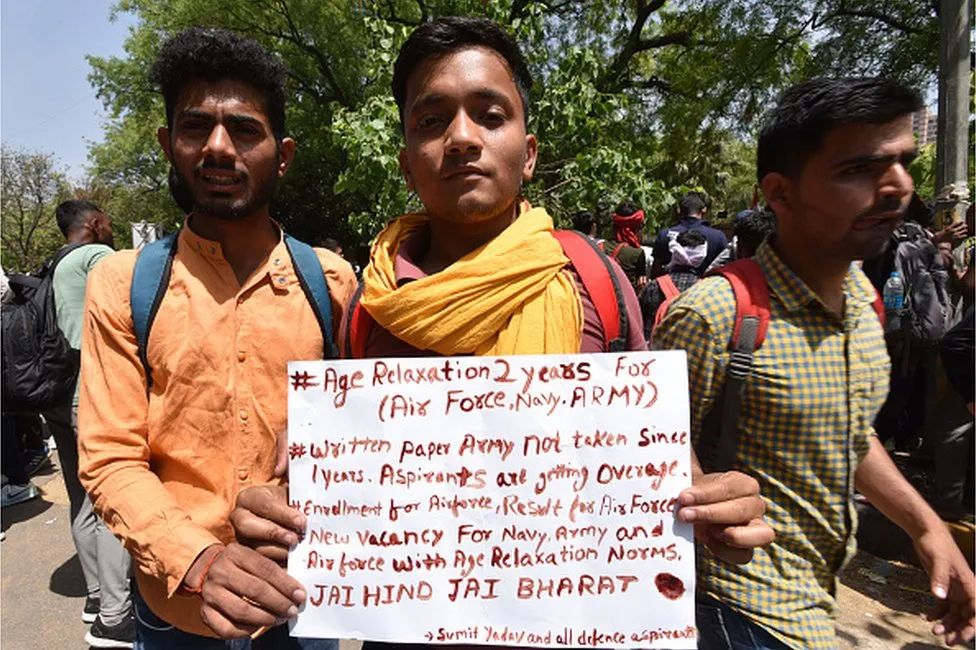
For over 10 years, a non-benefit association in India has been making compositions utilizing blood gave by its individuals.
In excess of 250 such fine arts respecting progressives and saints have been made by the Delhi-based Shaheed Smriti Chetna Samiti (Society to Stir Recognition of the Saints). They are typically offered to ashrams (profound retreats) and little historical centers and showed in presentations.
"Blood is wealthy in imagery. We make our compositions in blood to impart nationalism among individuals. Love for the nation is decreasing among youngsters," Prem Kumar Shukla, who heads the non-benefit bunch, told me.
Its pioneer, Ravi Chander Gupta, a resigned school head, gave blood for 100 works of art until his wellbeing started falling flat. "I began this to draw in general society and certainly stand out. Individuals are more intrigued assuming the representations are in blood. Blood makes feelings," Gupta, who passed on in 2017, when told questioners.
Mr Shukla, his replacement, is a bold 50-year-old teacher and writer. He professes to have given blood for 100 artworks alone. Contributors like him go to a neighborhood lab where their blood is separated, blended in with enemies of coagulants - human blood becomes tacky when its coagulations - put into 50ml containers, and given to a lot of craftsmen. Normally 100ml of blood is sufficient to make a few compositions, Mr Shukla says. "I give blood four times each year for our works of art."
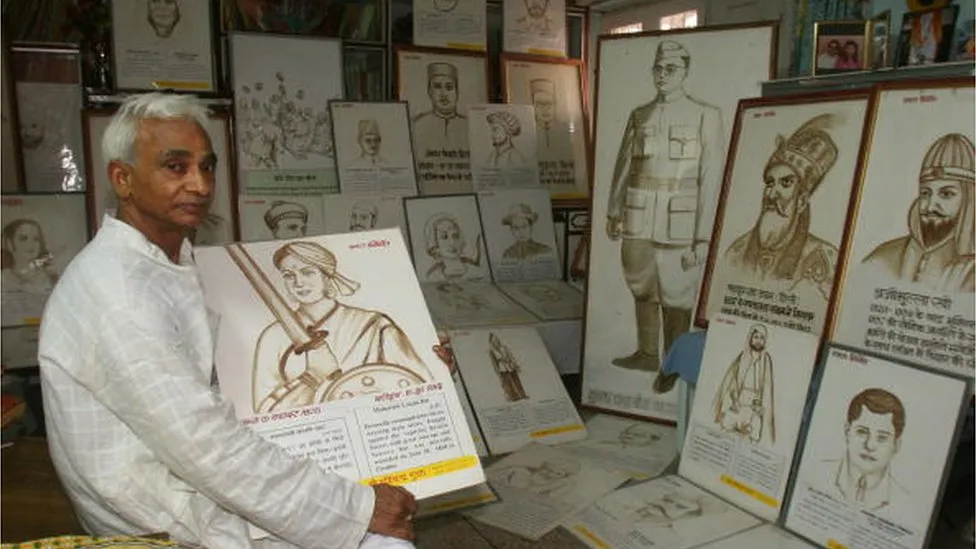
The "blood paintings", says Mr Shukla, were inspired by the persuasive rhetoric - "give me blood and I will give you freedom" - of independence hero Subhas Chandra Bose, known as "Netaji" (respected leader). Bose raised an army of Indian soldiers to fight the British.
The politics of blood runs deep in India. Mahatma Gandhi endlessly monitored his blood pressure and had a "preoccupation with blood", write Jacob Copeman and Dwaipayan Banerjee in Hematologies, a book which examines the connections between blood and politics.
Blood was also an anti-colonial metaphor. Gandhi, the world's most famous pacifist, hoped Indians would "possess blood that could withstand the corruption and poison of colonial violence". A blood-stained cloth worn by the leader on the day he was murdered in 1948 is among the artefacts on display in a museum in Madurai in southern India. "Metaphors of blood - its extraction and sacrifice - are inescapably rife in Indian political discourse," note Mr Copeman and Mr Banerjee.
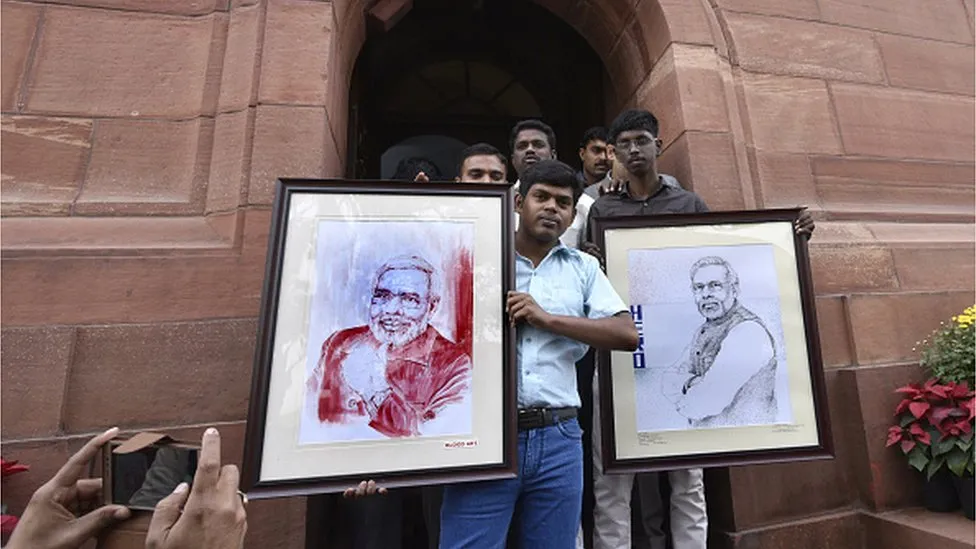
Not surprisingly blood is a metaphor for loyalty and sacrifice. Ardent supporters of Prime Minister Narendra Modi have drawn his paintings in their blood. Blood is also a mode of protest: In 2013, more than 100 women from villages in Gujarat wrote a letter to Mr Modi in blood, protesting against plans to acquire their land to build a new road. They said they had written postcards, and the prime minister hadn't replied. A teenage girl in Uttar Pradesh state wrote a letter to officials with her blood, seeking justice for her mother who was burnt alive.
Dissenters compose petitions in blood requesting higher wages, medical clinics and schools and restricting regulations that they accept are draconian. Some additionally compose love letters in blood to stand out. Furthermore, individuals additionally regularly whine that legislators "suck individuals' blood" as a similitude to feature issues like defilement and formality.
In 2008, overcomers of the 1984 gas misfortune in Bhopal - the most terrible modern mishap in India's set of experiences - strolled 800km (497 miles) to Delhi and shipped off then top state leader Manmohan Singh a letter written in their blood to cause him to notice their wellbeing and recovery issues.
Individuals who drink human blood
During exhibits in the oil-rich territory of Assam in 1980, a 22-year-elderly person utilized his own blood to compose fight trademarks in the city of the capital, Guwahati. "We will give blood, not oil," read one of the mottos.
The road, revealed a paper, "transformed into a position of journey where the fomenters began lighting earthen lights, incense sticks and coordinated reflection petitions".
In 1988, the Socialist Faction of India (communist) requested that its allies offer their blood to fund-raise to fabricate a power plant in West Bengal following a subsidizing question with the national government - a large part of the gathered blood must be in the long run obliterated due to absence of extra room, and the plant was finished with a Japanese credit. Around similar time, a gathering of contributors in Kolkata (then Calcutta) offered blood to help a monetarily devastated clinical organization. (Selling blood was prohibited 10 years after the fact.)
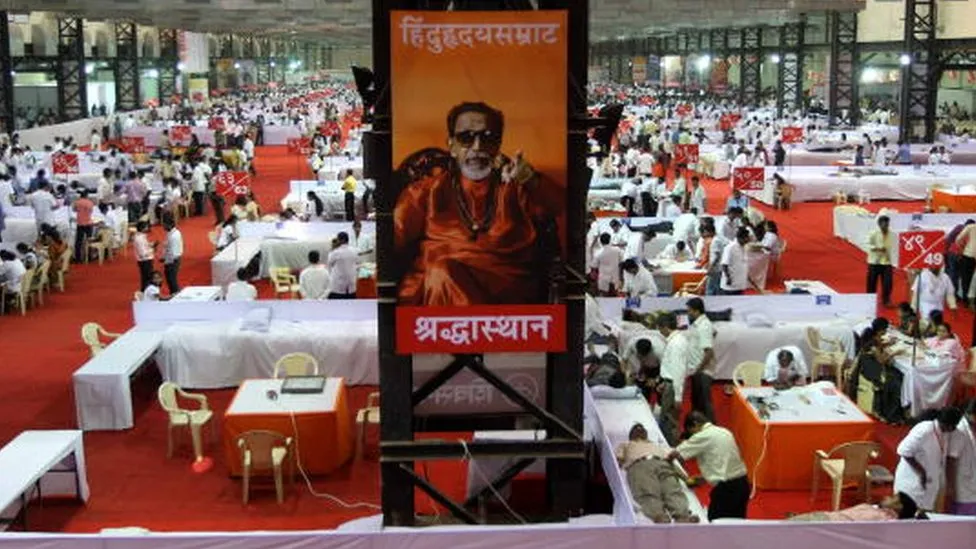
Political parties organise blood donation camps to gain public attention. Supporters donate to gain advancement. One blood bank professional told the authors of Hematologies that camps organised by political parties were "terrible because there's no other motivating factor than 'I am trying to please the leader'".
Clearly, blood is a useful symbol. "Blood is associated with purity of caste. Also historically, writing in blood has been a very male thing. Purity related to caste and gender in the form of maleness are the two main forms of social expression in India. Blood is also seen as the highest form of loyalty," says Sanjay Srivastava, a sociologist. In modern-day India, however, women have used blood to break "taboos" around menstruation.
In the end, blood gains you instant attention and recognition.
In 2004, a karate teacher in Chennai (then Madras) painted 57 portraits in his blood of the late Jayaram Jayalalitha, then chief minister of Tamil Nadu state, of which the southern city is the capital.
Shihan Hussaini needed a plot of land for a karate school, and sought an appointment with the chief minister. "She brought me to her residence and promised me a million dollars [for the plot]," Mr Hussaini told the authors of Hematologies. Blood art, he said, was a "tool of propaganda, communication and influencing decision making".
0 comentários :
Post a Comment